Innovation in Optical Instrumentation for Research Labs
Innovation in optical instrumentation continues to expand the boundaries of scientific discovery, seamlessly intersecting with fields such as physics, data science, and engineering. For over 50 years, Rudzinsky Associates has observed remarkable transformations in lasers, optics, imaging, and photonics, witnessing firsthand how universities, government labs, and private R&D groups have leveraged these changes to achieve significant breakthroughs. As ultrafast lasers power precision spectroscopy and sophisticated imaging techniques advance biomedical research, laboratories are experiencing a surge in both the depth and accuracy of the data they produce. Miniaturized hardware, faster software analysis, and reconfigurable systems are converging to elevate research reliability, widen experimental horizons, and accelerate the path from hypothesis to results.
Strategic investment in next-generation instruments is now delivering tighter signal-to-noise ratios, broader wavelength coverage, and real-time acquisition rates that were unimaginable even a decade ago. High-power laser sources are fueling improvements in materials processing, while novel photonics platforms support quantum-level interactions with wide-ranging scientific implications. These developments foster a dynamic, collaborative climate that draws on engineering, physics, and computational analytics, vital for propelling innovation—and for shaping the expertise required to sustain continual progress.
Expanding Laser Applications for Cutting-Edge Precision Research
The role of lasers in research has evolved from a narrow specialty to a cornerstone of advanced scientific inquiry, underpinning experiments that demand a high degree of accuracy and flexibility. Today’s ultrafast lasers, delivering pulses down to the femtosecond range, have become essential tools for exploring phenomena that were once beyond the scope of traditional instrumentation. Whether investigating intricate electron behaviors or tracking rapid chemical reactions, these ultrashort lasers reveal details that reshape our understanding of the underlying physics, chemistry, and biology behind many natural processes.
Broadening Spectroscopic Capabilities with Ultrafast Laser Technology
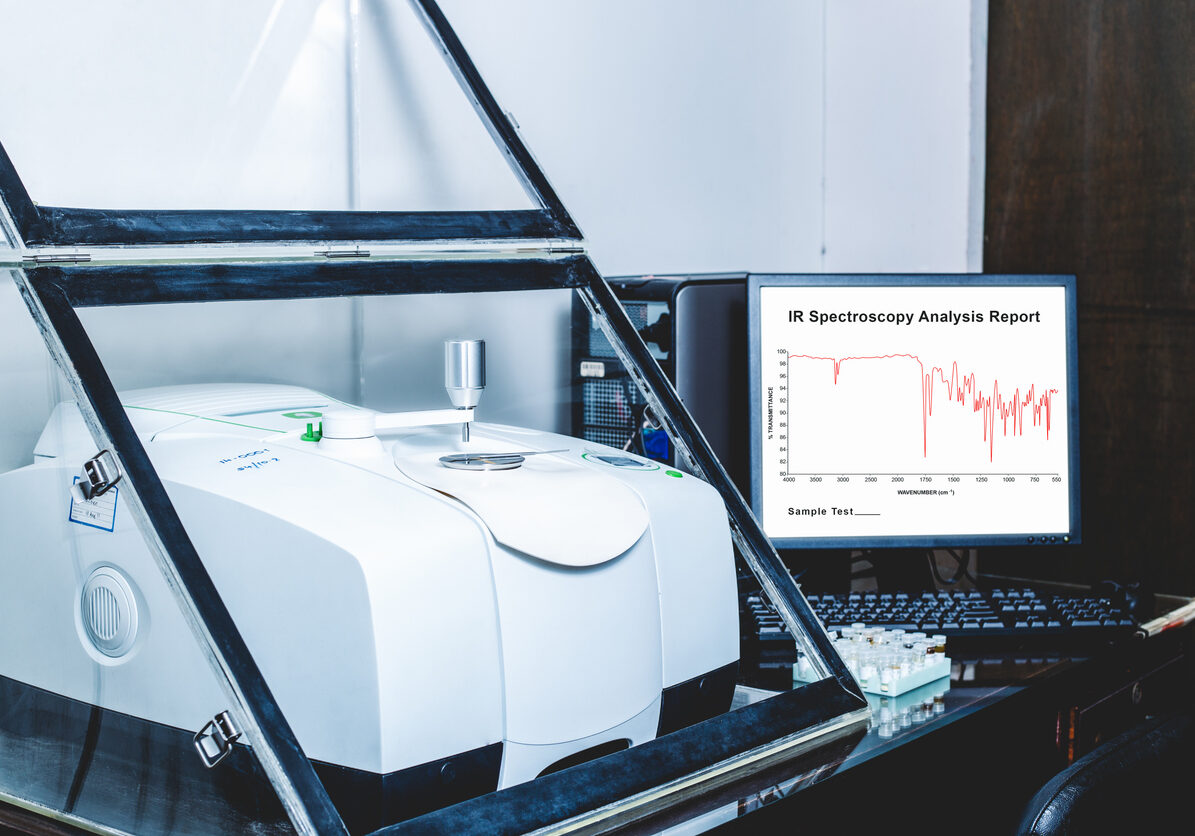
Spectroscopic techniques lie at the heart of probing materials at the atomic and molecular scale. Coupling them with ultrafast lasers provides significant enhancements in:
- Detection of transient states: By capturing short-lived energy transfers or photochemical changes in real time, researchers gain insights into reaction mechanisms that could transform fields such as catalysis and drug development.
- Elevated sensitivity: Modern photodetectors—ranging from photomultiplier tubes to high-resolution CCDs—paired with short-pulse lasers achieve superior signal-to-noise ratios, helping facilitate the accurate detection of minor spectral shifts.
- Variable research applications: From pinpointing spectral lines in extreme astrophysical environments to refining diagnostic markers in biomedical assays, ultrashort-pulse lasers offer specialized versatility for diverse scientific tasks.
By customizing laser parameters, labs optimize data collection while minimizing interference from background noise. This competency has galvanized breakthroughs in materials characterization, environmental monitoring, and surface analysis—each benefiting from the rapid, high-resolution data that these laser systems deliver.
Laser-Assisted Nanofabrication: Moving from Macroscale to Nanoscale
In parallel with their spectroscopic benefits, lasers have ushered in new possibilities for nanofabrication. Laboratories leverage precisely focused beams for:
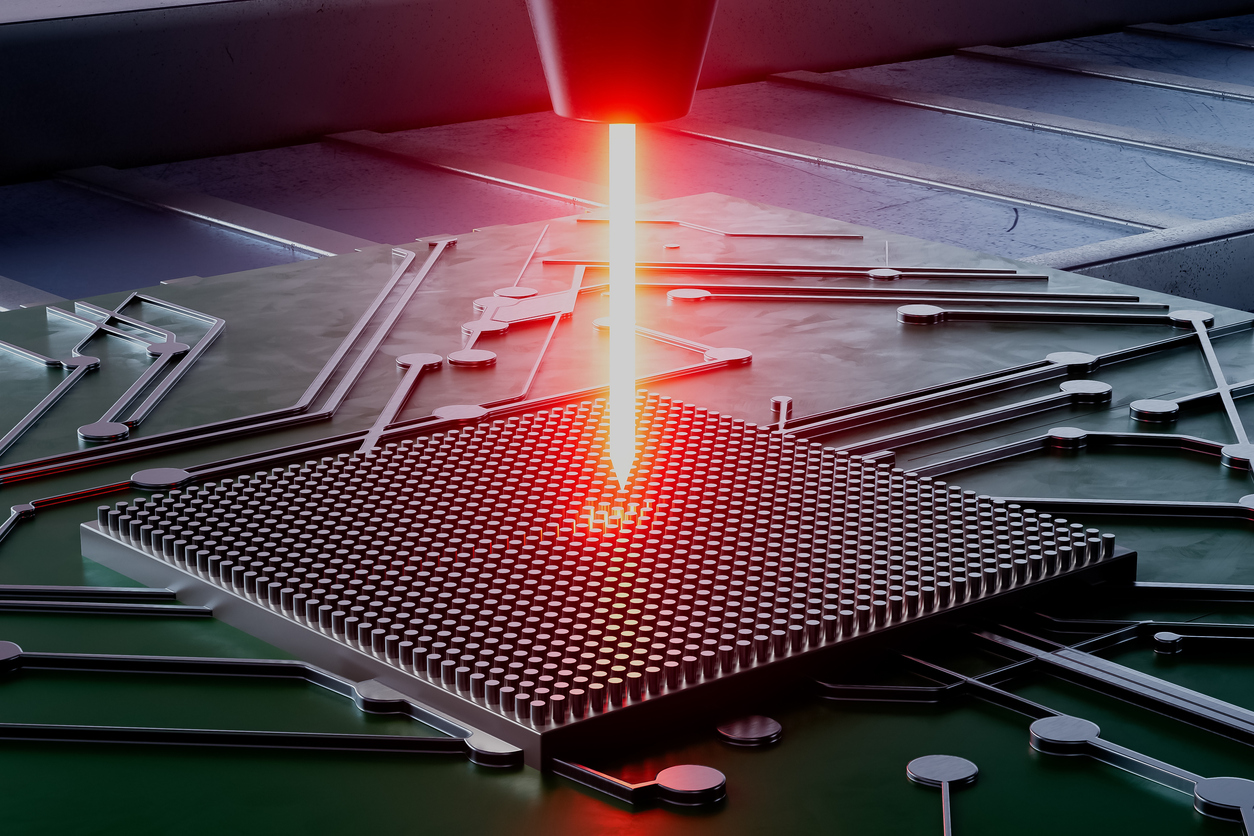
- Microelectronics manufacturing: Automated laser etching and selective material removal are critical for raising chip performance and shrinking device footprints, pivotal for next-generation electronic components.
- Biological system manipulation: Laser-based optical tweezers manipulate single cells or molecules, offering a live window into mechanisms ranging from molecular motor dynamics to cell-to-cell communication.
- Photonics design: Micro- and nanostructures are integral to cutting-edge photonic devices, waveguides, and other elements that capitalize on tight optical confinement for improved energy efficiency and speed.
When advanced software modules tightly control beam positioning and intensity, users gain an unprecedented level of precision, setting the stage for breakthroughs in semiconductor research, biotechnology, and materials science alike.
Optics and Photonics Integration: Driving Interdisciplinary Research
While lasers remain pivotal, the broader fields of optics and photonics have rapidly progressed from niche disciplines to unifying forces across multiple domains. Manipulating photons underpins capabilities in quantum computing, secure communications, and biodegradable sensors, illustrating the ancestral link among physics, electrical engineering, and data analysis. This universal thread weaves together once-disparate sectors, heightening the probability of discovering novel devices and approaches that cut across scientific silos.
Interdisciplinary Collaborations That Foster Breakthroughs in Photonics
Many contemporary innovations stem from teams that blend deep expertise in physics with complementary skill sets in software development, algorithmic design, or biomedical engineering. This synergy drives research on:
- Quantum photonic devices: Harnessing quantum-level interactions within photonics paves the way for quantum computing, cryptography, and advanced sensing that offer significant leaps in speed and security.
- Biomedical imaging breakthroughs: From non-invasive diagnostics to real-time tissue mapping, optics-based imaging systems are refined through active cooperation among hardware engineers, medical researchers, and computational scientists.
- Environmental and industrial sensors: Photonic sensors capable of measuring greenhouse gases or monitoring chemical reactions are emerging from bilateral efforts that fuse environmental science with optical engineering.
This interweaving of perspectives fuels rapid iteration cycles, promotes open-ended inquiry, and ensures that the resulting technology meets the specialized needs of laboratories worldwide.
Addressing Common Challenges in Optical Systems Through Unified Solutions
Despite the momentum, challenges often arise regarding thermal management, optical alignment, and data interpretation. Collaborative teams have responded by focusing on:
- Advanced thermal control: High-powered lasers and photonic circuits demand precise temperature regulation to preserve efficiency and measurement reproducibility.
- Streamlined optical alignment checks: Automated alignment via machine vision cuts down on human error, promotes consistency, and reduces experimental downtime.
- Comprehensive data analytics: Algorithmic tools rapidly sort and interpret gigabytes of information, flagging anomalies and ensuring clear, consistent results.
As labs integrate multidisciplinary insights, optics and photonics become foundational pillars for exploring new frontiers, supporting goals ranging from fundamental research to large-scale industrial application.
Cutting-Edge Imaging Advancements for Life Sciences and Beyond
One of the most transformative leaps in optical instrumentation involves imaging, particularly in how it accelerates fundamental discoveries in biology, medicine, and materials science. Today’s microscopes leverage optical principles to disclose higher-resolution images at faster speeds, simplifying the pursuit of ambitious research questions. Modular design and user-friendly interfaces further enhance accessibility, enabling more labs to deploy these systems effectively.
High-Resolution Optical Imaging for Advanced Biomedical Applications
Life science researchers depend on technologies such as multiphoton and confocal microscopy to visualize cellular function with clarity unheard of just a few decades ago. These imaging platforms facilitate:
- Early disease detection: Microscopic inspection of tissues can reveal pathological changes at the cellular level, providing crucial lead times for diagnosis and treatment.
- Enhanced drug development: Real-time imaging clarifies how therapies behave inside targeted cells, accelerating preclinical studies and helping isolate effective compounds.
- Neuroscience insights: Techniques like two-photon microscopy illuminate neural pathways within living brains, driving advances in understanding memory formation, synaptic plasticity, and neurodegenerative disorders.
Progress in lens design, integrated detectors, and streamlined signal processing yields sharper images in less time, vital for researchers racing to validate new theories or therapies under strict project deadlines.
Accelerating Data Acquisition with Rapid Scanning
High-speed imaging fosters agility and depth in scientific experimentation. Innovations in CCD and CMOS sensor technologies now offer:
- Elevated frame rates: Rapid frame capture supplies near-instantaneous feedback, enabling real-time adjustments to experimental conditions.
- Superior resolution: Larger sensor arrays and sophisticated pixel architectures improve signal clarity, revealing minute structural or functional details.
- Machine learning–powered analytics: Automated algorithms spot patterns rapidly, highlighting nuances that may otherwise be obscured by noise or limited human attention spans.
These robust imaging pipelines offer a practical edge over traditional methods, helping labs prioritize data validity and reproducibility, which remain cornerstones of credible scientific research.
Software and Data Analysis: The Driving Force Behind Optical Innovation
While physical instrumentation provides the foundation for research, the computational ecosystem propels it forward. As instrumentation grows more sophisticated, so do the data sets—and managing massive data volumes with speed and accuracy has become a decisive factor. This structural shift has ushered in software-driven workflows that can handle everything from image stitching and spectral deconvolution to real-time anomaly detection.
Real-Time Feedback Loops for Enhanced Experimental Outcomes
Integrating feedback loops into experimental setups can transform how researchers gather and interpret data. Real-time processing delivers:
- Adaptive experimentation: Instruments can fine-tune parameters such as laser power or sensor gain automatically, adapting to fluctuations in samples or environmental conditions.
- Immediate quality control: Automated monitoring flags saturation points or misalignments, prompting swift recalibrations and preserving data fidelity.
- Optimal resource use: Efficient, on-the-fly adjustments minimize wasted materials, scanning time, and overall operational costs.
These advanced feedback mechanisms demand professionals well-versed in coding, optics, and hardware integration. Yet the rewards—faster throughput and more reliable outcomes—underscore their growing importance in modern research.
AI-Driven Interpretive Tools for Automated Analysis
Artificial intelligence (AI) and machine learning (ML) have become powerful complements to optical instrumentation. Laboratories increasingly rely on ML algorithms to:
- Identify rare events: ML models can instantly scan vast image libraries to pinpoint infrequent cellular behaviors or subtle spectroscopic anomalies.
- Predict experimental outcomes: Historical data trains predictive models that anticipate how modifications in laser parameters or optical configurations may influence future results.
- Unify reporting dashboards: Centralized digital platforms compile data streams from multiple instruments, enabling users to oversee an entire research suite at a glance.
This AI-driven evolution streamlines complex projects, transforming data analysis into a proactive element of research rather than a mere post-collection chore.
Charting a Course for Future Growth in Optical Research
Although optical instrumentation has already produced transformative results, the horizon promises even more innovation, particularly as researchers unify hardware developments with leaps in software processing. As quantum photonics, ultrafast data pipelines, and integrated optics continue to mature, scientists will gear up to investigate phenomena at faster temporal resolutions and tinier spatial scales than ever before.
Emerging Trends in Optical Instrumentation for Next-Generation Labs
Several developments point to the future direction of optical instrumentation:
- Photonics-based computing: Computation using photons offers more efficient data handling, potentially slashing energy consumption while significantly accelerating parallel tasks.
- Hybrid imaging-spectroscopy platforms: Instruments that simultaneously extract chemical data and structural insights promise an all-in-one approach to real-time sample analysis.
- Extended reality (XR) interfaces: Virtual and augmented reality tools can translate complex multi-dimensional data sets into interactive, visual experiences, expediting learning curves and enabling remote collaboration.
Preparing for these emergent technologies requires assembling agile teams—groups able to navigate optical theory, software design, and hardware prototyping with equal fluency.
Shaping Tomorrow’s Optical Workforce
The rapid pace of optical innovation demands a workforce that blends traditional optics expertise with skills in data science, electronics integration, and creative design. Interdisciplinary programs and cooperative research endeavors are nurturing this talent pipeline, ensuring that sectors ranging from aerospace to biomedical engineering consistently benefit from technical excellence and imaginative problem-solving. Researchers, recruiters, and educators all play crucial roles in sustaining the cycle of discovery and pushing past conventional limits.
When labs align their objectives and orchestrate interdisciplinary collaborations, optical instrumentation serves as a linchpin for seminal work. By harnessing laser-driven exploration, advanced photonic systems, evolving imaging capabilities, and cutting-edge software analytics, research institutions are continually redefining what is scientifically achievable—and, in turn, laying the groundwork for the future of technology and human health.
Igniting Breakthroughs in Optical Technology That Transform Tomorrow
Relentless innovation in lasers, photonics, and computational analytics has nurtured a culture where ambitious research flourishes. Hardware enhancements and software refinements spur each other on, quickly turning conceptual ideas into feasible prototypes and full-fledged research programs. The integration of optical instrumentation with machine learning models, quantum-level sensors, and autonomous data pipelines has already reduced the barriers to groundbreaking experiments—and this intersection will only intensify with time.
As new paradigms emerge in fields like quantum computing, regenerative medicine, and sustainable energy, optics will remain a core enabler, bridging atomic-scale observations and planetary-scale solutions. Smaller instruments with greater accuracy expand access to advanced research methods, allowing academic labs, government agencies, and private enterprises to tackle challenges ranging from climate change mitigation to next-generation therapeutic strategies. Each success story underscores the power of synergy between instrumentation and expert knowledge, sparking incremental improvements that ultimately culminate in massive leaps forward.
Rudzinsky Associates stands at the intersection of these advancements, connecting organizations with the professionals skilled in pushing optical instrumentation to its full potential. By matching deep technical insight with wide-ranging research needs, we help ensure that the seeds of innovation continue to thrive, fueling the scientific milestones that will define tomorrow.